Garden rubbish collection Kew and Richmond Park homes
Posted on 14/10/2026
If you live near Kew, around Richmond Park, or in the leafy streets between the two, garden waste has a habit of building up faster than you expect. One weekend you trim a hedge, pull a few weeds, and clear a corner of the garden; the next, there's a small mountain of branches, turf, soil, and bags of green waste sitting by the side return. Garden rubbish collection Kew and Richmond Park homes is the practical answer when you want that mess gone without turning your driveway, front path, or boot into a moving compost heap.
This guide explains how garden rubbish collection works, what can usually be removed, what to watch out for, and how to choose the right approach for a townhouse, mews, flat, or larger family home. It also covers local best practice, timing, and the small things that make the whole process smoother. To be fair, the difference between an easy collection and a frustrating one is often just a bit of planning.
Why Garden rubbish collection Kew and Richmond Park homes Matters
Garden waste sounds harmless enough. Leaves, twigs, clippings, a few broken planters. But left too long, it starts to get in the way of everyday life. Paths become cluttered, bins overflow, and damp green waste can smell earthy in the morning and downright unpleasant by late afternoon. If you have limited outdoor storage, or a narrow side access typical of many Richmond homes, the problem arrives quickly.
There's also the visual side. Kew and Richmond Park homes often sit in attractive, well-kept streets where tidy frontages matter. That doesn't mean your garden needs to look perfect every day, obviously, but a pile of cuttings near the kerb or fence line can make a whole property feel neglected. If you're preparing for guests, tenants, a sale, or just want to enjoy the space yourself, regular garden rubbish collection can make a noticeable difference.
And then there's the practical bit. Garden waste isn't always just "green waste". It may include broken pots, old timber edging, soil, root balls, dead shrubs, or mixed debris from a clear-out. Once material becomes mixed, heavy, or bulky, it stops being a simple bin job and starts needing proper collection and disposal. That's where a specialist service becomes more than a convenience; it becomes the sensible option.
Expert summary: Garden rubbish collection is most useful when waste is too bulky, too awkward, or too mixed for normal household disposal. In homes with limited access, a clean and organised collection can save a lot of back-and-forth.
How Garden rubbish collection Kew and Richmond Park homes Works
In most cases, the process is straightforward. You gather the garden waste, the collection team assesses what needs removing, and the material is taken away for sorting, reuse, recycling, or disposal. Simple on paper. In real life, though, the details matter.
A typical collection starts with identifying the waste type. Green waste such as grass cuttings, leaves, hedge trimmings, and small branches is usually easier to handle than a mixed pile containing soil, stones, or household rubbish. Some services accept most garden materials together, while others separate loads for recycling efficiency. If your pile includes old fence panels, damaged plant pots, or bags of soil, it's worth checking in advance how these are treated.
Access is the next big factor. Homes near Richmond Park or Kew often have tight front access, shared driveways, basement steps, or rear gardens with narrow side passages. A good collection is planned around the property layout, not forced through it. That might mean loading from the front, using wheelbarrows for a rear garden, or scheduling the work when neighbours' cars are not blocking the route. Little thing, big difference.
Collection timing also matters. Wet garden waste is heavier, and after a soggy London morning it can double the effort required. Dry cuttings are easier to move and often cleaner to load. If you can, gather and stack waste before the collection day so the team can work efficiently rather than waiting while you finish bagging. Sounds obvious, but people forget this all the time.
If you are comparing broader household removal options, the same organiser mindset applies across services such as garden waste removal in Richmond upon Thames, rubbish collection across Richmond upon Thames, and waste clearance services.
Key Benefits and Practical Advantages
The biggest benefit is obvious: your outdoor space becomes usable again. But there are several other advantages that are easy to overlook until you've done it once or twice.
- Better kerb appeal: Tidy garden edges, paths, and front areas make a home feel cared for.
- Less physical strain: No need to drag heavy bags, branches, or soil to a distant disposal point yourself.
- Faster turnaround: A single collection can clear a large amount in one go, which beats multiple bin weeks.
- Cleaner access routes: Fewer piles of debris mean fewer trips, less mess, and less chance of mud spreading indoors.
- More usable space: Once the waste is gone, you can actually enjoy the garden again instead of working around it.
There's a quieter benefit too: peace of mind. Many homeowners don't think about the waste sitting in the garden until it starts attracting damp, insects, or just that slightly neglected look. Once it's gone, the place feels lighter. Not a technical term, granted, but it's real.
For landlords, managing agents, and anyone getting a property ready for photos or inspections, a clean exterior can also prevent avoidable objections. In a premium area, small presentation issues tend to stand out more.
Who This Is For and When It Makes Sense
Garden rubbish collection is not only for major landscaping jobs. In fact, many of the most common requests come from normal household maintenance. If any of the situations below sound familiar, this service probably makes sense.
- You've completed a hedge cut, pruning session, or seasonal tidy-up.
- A storm has brought down branches or scattered debris.
- You are clearing an overgrown garden before showing a property.
- There's more waste than your regular garden bin can handle.
- You have mixed material such as cuttings, pots, soil, and small broken items.
- Access is awkward and you don't want to make multiple trips to a tip yourself.
- You're managing a rental property or second home and need the outdoor area kept in shape.
It can also be useful after landscaping work. If you've had turf lifted, borders reshaped, or a shed area cleared, the waste can be surprisingly bulky. A few roots and clods of damp earth add weight quickly. A bin bag full of soil is a different beast from a bag of leaves. Let's face it, the garden has a way of producing heavy surprises.
For homeowners in and around Richmond who want a fuller picture of local property care and the area itself, reading about local life in Richmond or the broader context in a guide to picturesque Richmond can be a useful backdrop, especially if you are trying to balance maintenance with lifestyle.
Step-by-Step Guidance
Here's a practical way to approach garden rubbish collection without overcomplicating it.
- Sort the waste by type. Keep green waste separate from heavy or mixed materials where possible. Branches, grass, weeds, and leaves are one group. Soil, rubble, timber, and broken pots are another.
- Check access early. Look at gates, steps, side passages, and any parked vehicles that may block the route. If a van cannot get close, the job takes longer.
- Bag or stack sensibly. Loose thorny clippings and wet cuttings are awkward to handle. Use sturdy bags, bundles, or manageable piles. No need to overpack them. Your back will thank you.
- Remove obvious contaminants. Plastic ties, plant labels, metal wire, and household rubbish should be separated so the load is cleaner and easier to process.
- Estimate volume honestly. A small hedge cut can look tiny in a pile but grow rapidly once bagged. If you are unsure, take a few photos for reference before collection.
- Agree the collection point. Front garden, rear access, garage side, driveway edge, or pavement-adjacent loading point. Be clear, especially if the property layout is a bit fiddly.
- Prepare for weather. Rain makes green waste heavier and messier. If possible, cover piles lightly or move the collection window when conditions are drier.
- Walk the space afterwards. A quick sweep for stray twigs or soil marks finishes the job properly. Tiny detail, but it makes a huge visual difference.
If you prefer a broader one-stop solution for mixed household debris, services such as waste disposal in Richmond upon Thames and domestic waste collection can help when the garden clear-out overlaps with general home decluttering.
Expert Tips for Better Results
A few small habits can make garden rubbish collection smoother, cheaper in practice, and less stressful overall.
Tip 1: cut waste down before bagging it. Long branches take up more room than you'd think. A few quick cuts with secateurs or a saw can reduce volume dramatically. You do not need to make everything tiny, just manageable.
Tip 2: keep wet waste separate if you can. Damp grass and leaves compact fast. If dry material and wet material are mixed too early, the whole load becomes heavier and messier. That's not always avoidable, but when it is, separate them.
Tip 3: avoid overfilling sacks. Overstuffed bags split at the worst possible moment. Usually when you are carrying them through a narrow side return, of course.
Tip 4: think about seasonal timing. Spring and autumn are the big ones. Spring brings pruning, and autumn brings leaves. A pre-planned collection before the garden gets fully overrun is often easier than a rescue job later.
Tip 5: keep reusable material out of the waste stream. Healthy branches may be chipped, reused as mulch, or composted if you have space. If you already know what can stay on-site, collection gets more efficient.
Tip 6: be realistic about mixed loads. A neat pile of lawn clippings is one thing. A tangle of roots, turf, cracked terracotta, and old timber is another. Mixed loads tend to need more handling, and that affects the whole process.
One more thing: if you are clearing a garden after a long spell of neglect, do it in stages rather than trying to conquer the whole thing in one heroic afternoon. Heroic afternoons are overrated anyway.

Common Mistakes to Avoid
Most garden rubbish collection problems are avoidable. They usually come from rushing, guessing, or forgetting how much waste a proper tidy-up actually creates.
- Leaving everything as one mixed pile. Green waste, soil, timber, and general rubbish are not equally easy to handle.
- Underestimating the volume. A few bags on the lawn can become a van-load once sorted.
- Forgetting access constraints. Narrow gates, steps, low branches, and shared entrances all matter.
- Bagging wet waste too tightly. It becomes heavy, awkward, and sometimes leaky.
- Including prohibited or unclear items. Hazardous materials, chemicals, and some contaminated items need special handling.
- Booking too late in the day. Once a garden is half-cleared and you realise the pile is much bigger than expected, you lose time and momentum.
Another common issue is assuming every service handles every type of waste the same way. They don't. Even within garden rubbish collection, some operators are better suited to simple green waste, while others are more appropriate for mixed garden and household waste. Ask first. Saves trouble later.
Tools, Resources and Recommendations
You don't need a shed full of specialist kit, but a few basics help a lot.
- Sturdy gloves: Useful for thorns, splinters, and damp debris.
- Secateurs or loppers: Handy for reducing branch length.
- Strong refuse sacks or garden waste bags: Better than thin supermarket bags that tear halfway through.
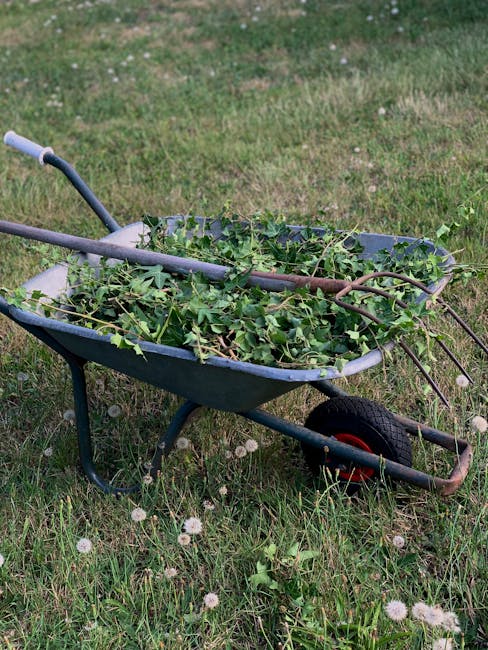
- Wheelbarrow or garden trolley: Very useful for rear gardens or awkward routes.
- Broom and dustpan: Ideal for final clean-up on paths and patios.
- Tarpaulin: Great for collecting waste in one place and keeping mud off paving.
If you are also planning a bigger clear-out, it can help to look at related services such as house clearance, loft clearance, or furniture removal when the garden work spills indoors. That happens more often than people expect.
If you value presentation and a tidy property environment, it can also be worth browsing the site's services overview, about page, and pricing and quotes information to understand how the service is positioned before you book.
Law, Compliance, Standards, or Best Practice
With garden waste, the main thing is making sure it is handled responsibly. In the UK, waste should be transferred only to a suitable and authorised carrier or disposal route. That is not just a box-ticking issue; it matters because you do not want garden waste ending up where it should not. If a collection provider is used, it is sensible to check their carrier compliance and how they approach sorting, transport, and disposal.
For homeowners, the practical rule is simple: do not assume all waste can be treated the same way. Garden waste is often recyclable or compostable in some form, but contamination changes everything. A load mixed with general rubbish, electrical items, paint, or chemicals may need separate handling. It's one of those slightly dull subjects that matters a lot once something goes wrong.
Good practice also means being honest about what is in the pile. If there are thorny branches, broken terracotta, wet turf, or heavy soil, say so. Clear information helps the team arrive with the right approach. It sounds obvious, yet this is where a lot of awkwardness starts.
If you want to look at the service provider's wider standards, the pages on waste carrier licence and compliance, recycling and sustainability, and insurance and safety are the most relevant places to review first.
Options, Methods, or Comparison Table
There is more than one way to deal with garden waste, and the right choice depends on volume, access, time, and how mixed the material is. Here's a simple comparison.
| Option | Best for | Pros | Drawbacks |
|---|---|---|---|
| Self-loading into garden bins | Very small, light, regular cuttings | Low cost, easy for tiny jobs | Limited capacity, repeated trips, not suitable for bulky waste |
| DIY tip run | Homeowners with a vehicle and time | Direct control, useful for sorted loads | Time-consuming, awkward for heavy or messy waste, parking and loading issues |
| Scheduled garden waste service | Recurring maintenance waste | Convenient, predictable, good for steady volumes | May not suit large one-off clearances or mixed debris |
| One-off professional collection | Bulky, mixed, or awkward garden rubbish | Fast, practical, less physical effort, useful for tight-access homes | Usually best value when there is enough volume to justify it |
For many Kew and Richmond Park homes, one-off collection is the sweet spot. The outdoor space may not generate waste every week, but when it does, it tends to be enough to justify proper removal. In smaller city gardens, waste has a funny way of appearing modest until you start lifting it. Then suddenly it's everywhere.
Case Study or Real-World Example
Here's a realistic example from the kind of job that comes up all the time in this part of London. A homeowner in a terraced property near Richmond Park had spent a weekend cutting back a hedge, clearing ivy from a fence line, and digging out a patch of tired border planting. By Sunday evening, the garden looked better, but the waste was stacked in three different corners: bags of leaves, long branches leaning against a wall, and several heavy sacks of soil and root material.
The first issue was access. The rear garden could only be reached through a narrow side passage, and the front area had limited parking. The second issue was waste mix. What looked like "just garden rubbish" was actually a combination of green waste and heavy spoil. The homeowner had originally assumed it would all fit into a normal bin cycle. It wouldn't, not even close.
The solution was to sort the waste into separate piles before collection, keep the path clear, and load the heaviest material first while the lighter cuttings were stacked separately. The result was a quick pickup, a cleaner patio, and a garden that felt usable again the same day. The homeowner later said the biggest surprise was not the collection itself, but how much calmer the whole garden looked once the waste was gone. And honestly, that tracks.
That sort of outcome is common after seasonal pruning, stormy weather, or pre-sale tidying. The task seems simple, then the details catch up with you.
Practical Checklist
Use this quick checklist before booking garden rubbish collection for Kew or Richmond Park homes:
- Separate green waste from soil, timber, and general rubbish.
- Check gates, access paths, and any parked vehicles.
- Bundle long branches and reduce oversized cuttings where possible.
- Bag wet material securely and avoid overfilling sacks.
- Remove plastic ties, labels, and other contaminants.
- Take photos of larger piles if volume is hard to judge.
- Confirm where the waste will be collected from.
- Ask how mixed loads are handled.
- Plan around rain if you can.
- Do a final sweep once the waste is gone.
Quick takeaway: the tidier the pile before collection, the smoother everything goes. It really is that simple, even if the garden itself is less simple.
Conclusion
Garden rubbish collection Kew and Richmond Park homes is about more than clearing a pile of waste. It's about making outdoor space usable, keeping a home looking cared for, and dealing with the awkward bits of garden maintenance without turning it into a weekend-long chore. Whether you are tackling hedge cuttings, storm debris, or a full seasonal clear-out, the best results come from a bit of sorting, clear access, and realistic expectations.
For homes in this part of London, where space, access, and presentation all matter, a good collection service can save time and a fair amount of hassle. And once the waste is gone, you notice the difference straight away. The garden breathes a bit easier. So do you.
Get a free quote today and see how much you can save.
Sometimes the simplest jobs make the biggest improvement. A cleared garden, a tidy path, a little breathing room. That's a good feeling.


 Tipper Van - Waste Disposal and Waste Collection Prices in Richmond Upon Thames, TW9
 Luton Van - Waste Disposal and Waste Collection Prices in Richmond Upon Thames, TW9