Rubbish removal near Richmond Station TW9
Posted on 13/08/2026
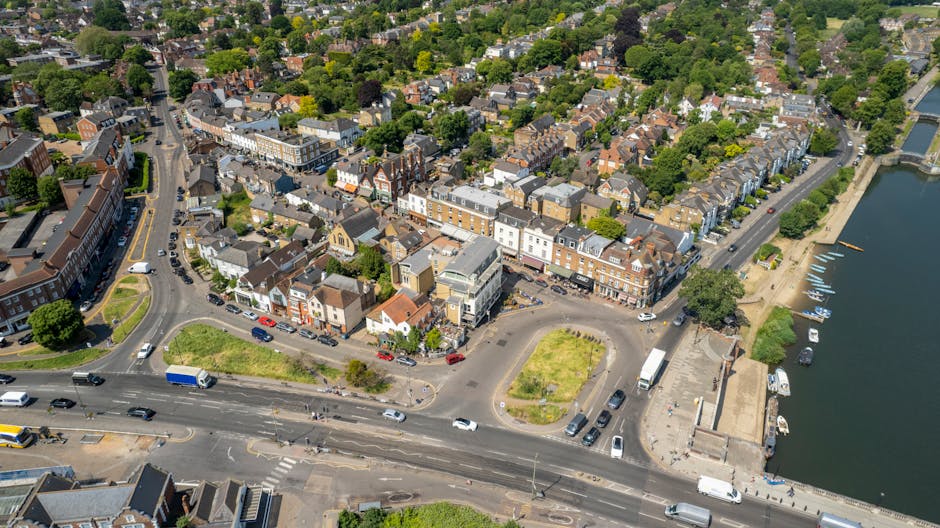
Rubbish removal near Richmond Station TW9: a practical local guide for homes, landlords, and businesses
If you are searching for rubbish removal near Richmond Station TW9, chances are you need the job done properly, promptly, and with as little disruption as possible. Maybe you have a flat clearance after a move, a pile of builder's waste in the hallway, or a bulky item that has become one of those "I'll sort it next week" problems. We've all been there. Around Richmond Station, space is at a premium, access can be awkward, and you do not really want bags sitting around longer than they have to.
This guide explains how local rubbish removal works, what to expect, how to choose the right option, and how to avoid common pitfalls. It also covers practical compliance points, likely use cases, and the small details that make a service feel smooth rather than stressful. If you want a straightforward overview before booking, you're in the right place.
Expert summary: The best rubbish removal service near Richmond Station TW9 is not simply the cheapest or the fastest. It is the one that matches your waste type, your access constraints, your timing, and your need for proper disposal. That combination saves time, hassle, and avoidable risk.
Why Rubbish removal near Richmond Station TW9 Matters
Richmond Station is one of those places where footfall, traffic, and day-to-day movement all overlap. That matters when you are dealing with rubbish. A few sacks left by a doorway can become a nuisance quickly. A sofa in a narrow stairwell can block access. A pile of mixed waste outside a property can create the wrong impression, especially if you are letting, selling, or preparing for visitors.
Local rubbish removal also matters because different waste streams need different handling. A bag of household clutter is not the same as broken plasterboard, a mattress, or old electricals. Treating everything as "just rubbish" can lead to disposal problems, added costs, or even refusal by a responsible carrier. Around TW9, where many properties are flats, terraces, or access-restricted homes, the logistics matter almost as much as the waste itself.
There is also the simple comfort factor. Nobody wants to live or work around mess. You notice it in the smell on a warm afternoon, the way it eats into a hallway, the little bit of stress every time you walk past it. Clear it quickly, and the whole place feels lighter.
How Rubbish removal near Richmond Station TW9 Works
In practical terms, rubbish removal usually follows a fairly simple process. You describe what needs removing, the provider estimates volume or inspects the load, and a collection is arranged. In some cases, the waste is taken away from curbside. More often near Richmond Station, it is collected from inside a property, courtyard, basement, office, or rear access point. That is where a local, flexible team can make a real difference.
For smaller domestic jobs, the process might be as easy as a same-day pickup of a few bulky items. For larger clearances, you may need a fuller visit with loading help, sorting, and responsible disposal of mixed materials. If you are unsure what you have, a decent provider will ask clarifying questions instead of guessing. That's usually a good sign.
To give you a sense of how services are often structured, many customers also look at broader support pages such as the services overview and waste carrier licence and compliance information before booking. It is a sensible habit. A little checking now saves headache later.
Typical stages in the process
- Initial enquiry: You explain the type of waste, quantity, access, and timing.
- Quotation or estimate: The provider gives a price based on volume, labour, and disposal complexity.
- Collection planning: Parking, access, building hours, and any lifting requirements are considered.
- Removal: The team loads the waste and clears the area.
- Sorting and disposal: Items are separated where appropriate for reuse, recycling, or lawful disposal.
That sounds simple, and often it is. But the details are where the quality shows.
Key Benefits and Practical Advantages
The biggest advantage of professional rubbish removal near Richmond Station TW9 is time saved. But honestly, that is only the beginning. You also get less physical strain, fewer trips to a disposal site, and less risk of making the wrong call on disposal or segregation.
There is a lot of value in having someone else manage the awkward parts. Heavy furniture. Dusty loft boxes. Broken appliances. Builder's rubble. Garden cuttings. Office clutter that somehow multiplies when nobody is looking. A good service turns a messy job into a neat, contained task.
Here are the main benefits people usually notice first:
- Speed: Items are removed in one visit rather than dribs and drabs.
- Convenience: You do not need to hire a vehicle, borrow a van, or queue at a facility.
- Better access handling: Local crews are used to tight entrances, stairs, and shared spaces.
- Cleaner outcome: The area is left more usable, which helps tenants, buyers, staff, or family members.
- More responsible disposal: Reusable and recyclable items can be separated where possible.
If you are dealing with a property transition, the benefit is even sharper. A cleared room photographs better, feels calmer, and is easier to hand over. That is especially relevant if you are preparing a home for sale or rent. For related local context, you may find Richmond property sale strategies useful alongside a clearance plan.
Who This Is For and When It Makes Sense
Rubbish removal near Richmond Station TW9 suits a surprisingly wide range of people. Some need it because they are in the middle of a move. Others are managing a flat refurbishment. Some simply reached the point where the spare room became a storage room, then a problem room, then, well, you know the rest.
Common users include:
- Homeowners clearing old furniture, appliances, or accumulated clutter
- Renters who need a quick exit clean-up before handing back keys
- Landlords dealing with end-of-tenancy clearance or abandoned items
- Estate agents preparing properties for listing and viewings
- Local businesses clearing office furniture, packaging, or general waste
- Builders and trades needing removal of rubble, offcuts, and demolition debris
It makes sense when you need more than a bin bag solution. If there are multiple items, mixed waste types, or tight timing, a removal service is usually the practical choice. And if you are balancing access issues with a busy schedule, the convenience becomes very real, very fast.
For example, a small office near the station may need desks, monitors, and boxes removed after a team reshuffle. A family on a top-floor flat may need a bed frame, wardrobe, and appliance taken down without disturbing neighbours. Same broad service, very different logistics.
Step-by-Step Guidance
If you want the process to feel smooth, it helps to approach it in order. Not every job needs detailed planning, but a little structure goes a long way.
1. Identify exactly what needs removing
Walk through the space and list the items. Separate general household rubbish from bulky items, electricals, green waste, and construction debris. Even a rough list helps the provider give a more accurate estimate. If something is awkward, say so. Half the battle is just being clear.
2. Check access and parking realities
Near Richmond Station, access can be the deciding factor. Is there a lift? Are stairs narrow? Can a vehicle stop nearby? Do you need a permit or timed arrival? Mention all of it. A provider can usually work around constraints if they know in advance, but surprises on the day create delays.
3. Ask how the waste will be handled
Good providers should be able to explain whether items are sorted for recycling, donation, or disposal. You do not need a lecture, just a clear explanation. If the answer sounds vague or evasive, that is worth a pause.
4. Confirm pricing clearly
Price structures vary. Some jobs are based mostly on volume, some on labour, some on access difficulty, and some on item type. Ask what is included, what could change the price, and whether loading, disposal, and any extra labour are part of the quote. This is where a transparent provider earns trust.
5. Prepare the items before collection
If possible, group the waste in one accessible area and keep paths clear. This is not always necessary, but it can save time and reduce the chance of accidental damage. A hallway with shoes, bikes, and half-open cupboard doors is nobody's friend.
6. Request proof of responsible handling if needed
For landlords, businesses, and anyone wanting reassurance, ask for confirmation that waste is dealt with appropriately. In practice, this is about peace of mind as much as paperwork.
Expert Tips for Better Results
Here's the thing: small choices often make the biggest difference. The jobs that go smoothly are usually the ones where the customer gives a bit of context up front and the provider responds sensibly.
Tip 1: Separate obvious recyclables before the collection if it is easy to do. Cardboard, scrap metal, and some electrical items are often easier to manage when not buried under general clutter.
Tip 2: Be precise about "bulky" items. A single chair and a two-seater sofa are not the same thing, and providers price accordingly.
Tip 3: If your waste is spread across multiple rooms, say that. It affects loading time more than people expect.
Tip 4: For flats and shared buildings, warn neighbours or building management if the collection may involve noise or communal access. It sounds small, but it keeps the day calmer.
Tip 5: If you are comparing options, do not only compare the headline price. Compare what happens if access is harder than expected, if extra labour is needed, or if the waste turns out to be mixed rather than single-category.
You will notice that the best operators ask questions most people forget to ask themselves. That is a good thing, not a nuisance.
If your main concern is trust, pages like insurance and safety and about us can be helpful for getting a feel for a provider's standards and approach.

Common Mistakes to Avoid
Most rubbish removal problems are avoidable. That is the slightly annoying part, really. A few minutes of care at the start can prevent a lot of stress later.
- Underestimating volume: What looks like "a few bits" can become a full load once gathered together.
- Mixing waste types without mentioning it: Builder's waste, electronics, and household rubbish may need different handling.
- Forgetting access issues: A narrow staircase or no parking can change the whole job.
- Choosing only on price: The cheapest option is not always the best value if it causes delays or extra charges.
- Leaving it too late: If you need the space cleared for handover, photography, or a works start date, last-minute booking adds pressure.
- Not checking terms: Cancellation, waiting time, and site conditions may matter more than you think.
A common one, and it happens all the time, is thinking the team can just "take everything" without listing the unusual bits. But sofas, fridges, plasterboard, and bagged general waste are not identical in the eyes of disposal planning. Mention them early. Saves everyone a headache.
Tools, Resources and Recommendations
You do not need a pile of specialist tools to organise rubbish removal, but a few simple resources make the job easier.
- Room-by-room checklist: Useful for clearances and landlord turnovers.
- Phone photos: A few sensible pictures often help a provider estimate more accurately than a long message.
- Basic tape measure: Handy for bulky furniture and tight stairwells.
- Labels or marker pens: Helpful if you are sorting items to keep, recycle, or remove.
- Payment method you trust: Many customers prefer clear, secure payment handling and a written quote where possible. If that matters to you, take a look at payment and security and pricing and quotes.
For people managing business waste or larger mixed loads, broader reading on commercial waste removal and office clearance can help you match the service to the job, not the other way around.
And if your waste is mainly home clutter, domestic collection pages are often the best fit. A quick browse of domestic waste collection and rubbish collection can clarify the difference between general pickup and more complex clearance work.
Law, Compliance, Standards, or Best Practice
Rubbish removal is not just a practical service; it also sits inside a framework of legal and environmental responsibility. In the UK, people giving waste to a carrier should use a responsible operator, and businesses in particular need to be careful about how their waste is handled and documented. That is not just red tape. It is part of doing the job properly.
Best practice usually means:
- Using a legitimate waste carrier: This helps reduce the risk of fly-tipping and improper disposal.
- Keeping clear descriptions of waste types: Especially for commercial or trade waste.
- Separating hazardous or special items: Do not mix unknown materials into general loads.
- Following site rules and access requirements: Particularly in shared buildings and managed estates.
- Retaining receipts or records where relevant: Useful for landlords, contractors, and businesses.
If you are a homeowner, you probably want peace of mind. If you are a landlord or business owner, you usually want that plus defensible process. A page like waste carrier licence and compliance is worth reviewing if you want reassurance about the standard you should expect.
One practical note: do not assume every item can go in the same pile. Fridges, some electrical goods, and construction materials often need separate treatment. That is where a knowledgeable provider earns their keep.
Options, Methods, and Comparison Table
People usually have three realistic options: do it yourself, use a local removal service, or arrange a more specialised clearance. Which one makes sense depends on the type of waste, the amount, and how quickly you need it gone.
| Option | Best for | Pros | Limitations |
|---|---|---|---|
| DIY disposal | Very small, simple loads | Low direct cost if you already have transport | Time-consuming, physically demanding, access and disposal logistics can be awkward |
| Local rubbish removal | Household waste, bulky items, mixed general loads | Fast, convenient, usually handled from inside the property | Cost varies by volume and access |
| Specialist clearance | Large or complex jobs such as offices, lofts, builders' waste, or full property clear-outs | Better suited to mixed and heavy loads, more end-to-end support | May cost more, and may require more planning |
If you are comparing providers, ask yourself one simple question: do I want a van and labour, or do I want a properly managed clearance? The answer changes the kind of service you should book. A sofa and three bags? Probably removal. A full flat after refurbishment? More likely clearance.
For those dealing with renovation debris, builders waste disposal is often the better match than general rubbish collection. And if the load includes old furniture, then furniture removal or furniture disposal may be the clearer route.

Case Study or Real-World Example
Let's take a realistic local scenario. A tenant moving out of a second-floor flat near Richmond Station has a broken wardrobe, a small mattress, three black bags, and an old desk. Nothing dramatic. But the stairwell is narrow, the building has shared access, and the move-out deadline is the next morning.
They contact a local rubbish removal provider and explain the items, access, and time pressure. The provider asks for a couple of photos, confirms the likely load type, and suggests a collection window that avoids peak congestion. On the day, the team arrives, carries everything out carefully, and clears the space in one go. The tenant avoids multiple trips, the landlord gets a clean handover, and everyone moves on with their day. Simple, but not trivial.
The small detail that made the difference? Clear information at the start. The tenant did not say "just a bit of stuff." They listed what was there. That made quoting easier and reduced the chance of surprises. A boring lesson, perhaps. Still a useful one.
Another example: a local independent business has boxes, packaging waste, and old office chairs after a refit. Their issue is not just volume; it is timing. Staff still need access, customers pass by the entrance, and the space cannot look chaotic for two days. A properly planned removal solves all three at once.
Practical Checklist
Use this checklist before booking rubbish removal near Richmond Station TW9:
- List every item or waste type you want removed.
- Take a few photos of the load and access route.
- Measure bulky items if space is tight.
- Check whether parking or building access may affect collection.
- Separate anything obviously recyclable or reusable if easy to do.
- Flag appliances, electricals, or construction waste early.
- Ask what is included in the quote.
- Confirm whether the provider handles loading and carrying from inside the property.
- Review payment, cancellation, and timing details.
- Keep any receipt or job confirmation for your records.
Quick sanity check: if you would be annoyed by a delay, unclear price, or a crew that turns up without the right vehicle, ask the awkward questions before the booking. Better then than on a busy Tuesday morning.
Conclusion
Rubbish removal near Richmond Station TW9 is about more than getting rid of waste. It is about making space feel usable again, keeping projects moving, and avoiding the friction that clutter creates. Whether you are clearing a flat, managing an office, or dealing with the aftermath of a renovation, the right service should feel calm, practical, and well handled.
The best results usually come from clear communication, honest pricing, and a provider that understands both access constraints and responsible disposal. That is especially true in a busy local area like Richmond, where timing and logistics matter just as much as the load itself.
Get a free quote today and see how much you can save.
And if you are still weighing up your options, that is fair enough. Take a breath, gather the details, and choose the route that makes the space feel lighter again. Honestly, once the clutter is gone, everything else tends to look a bit more manageable.


 Tipper Van - Waste Disposal and Waste Collection Prices in Richmond Upon Thames, TW9
 Luton Van - Waste Disposal and Waste Collection Prices in Richmond Upon Thames, TW9